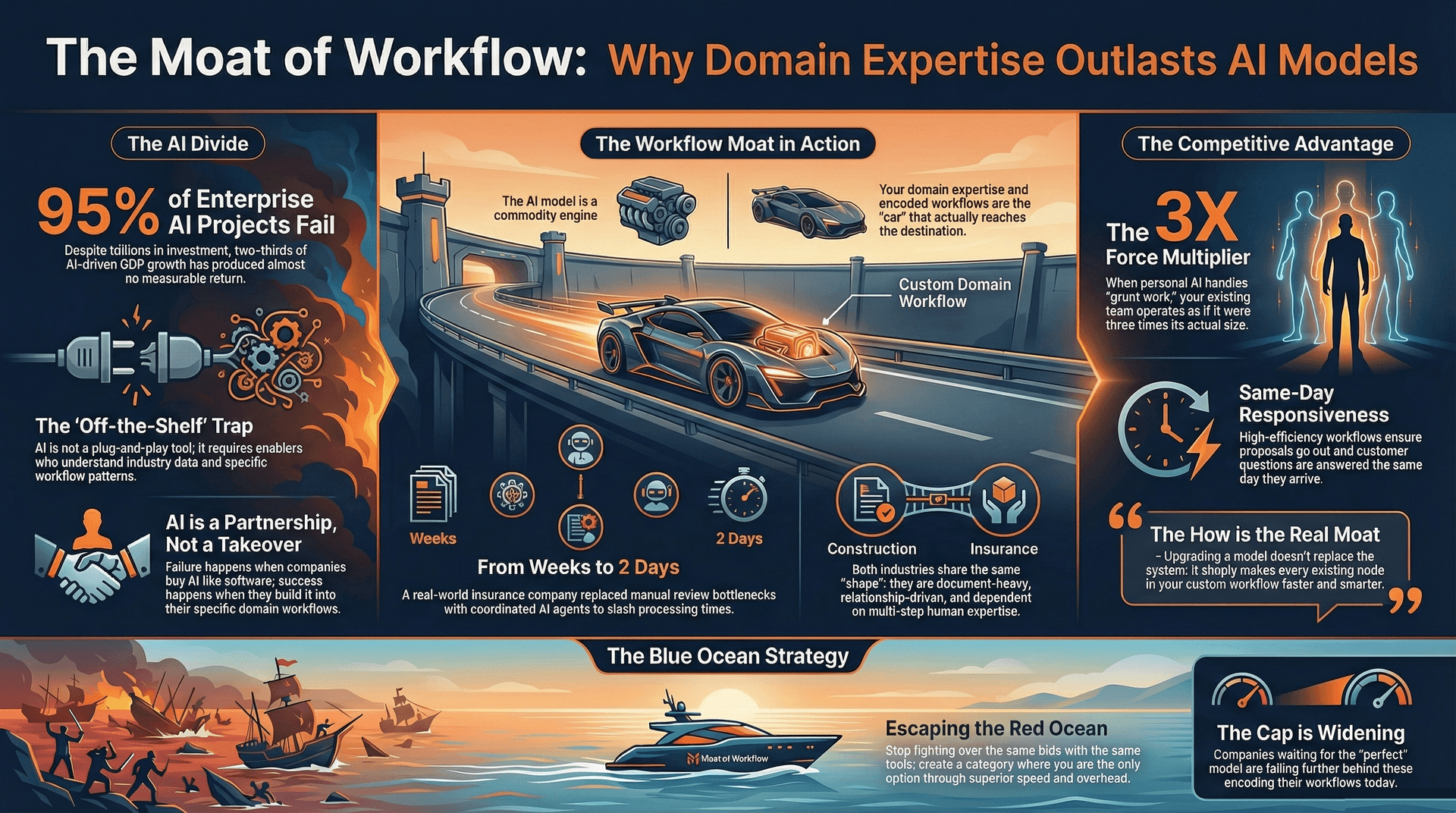
Your customer cares that the proposal arrives, the job details are right and someone answers the question. Better AI helps when it is connected to that work.
I get asked one question more than any other. "Aren't you worried? The next model — Opus 5, Opus 10, whatever comes next — won't it just do what you're building? Isn't all this work going to be obsolete in two years?"
No. And it's not even close. It's a partnership, not a takeover. Never will be.
This week, Rohit Kapoor — CEO of EXL, a $7 billion analytics company serving Fortune 500 clients — published an article that should stop every business owner in their tracks. The headline: "Why so many businesses are still on the wrong side of the AI divide." His data: 95% of enterprise AI projects fail. Two-thirds of the GDP growth driven by AI investment has produced almost no measurable return.
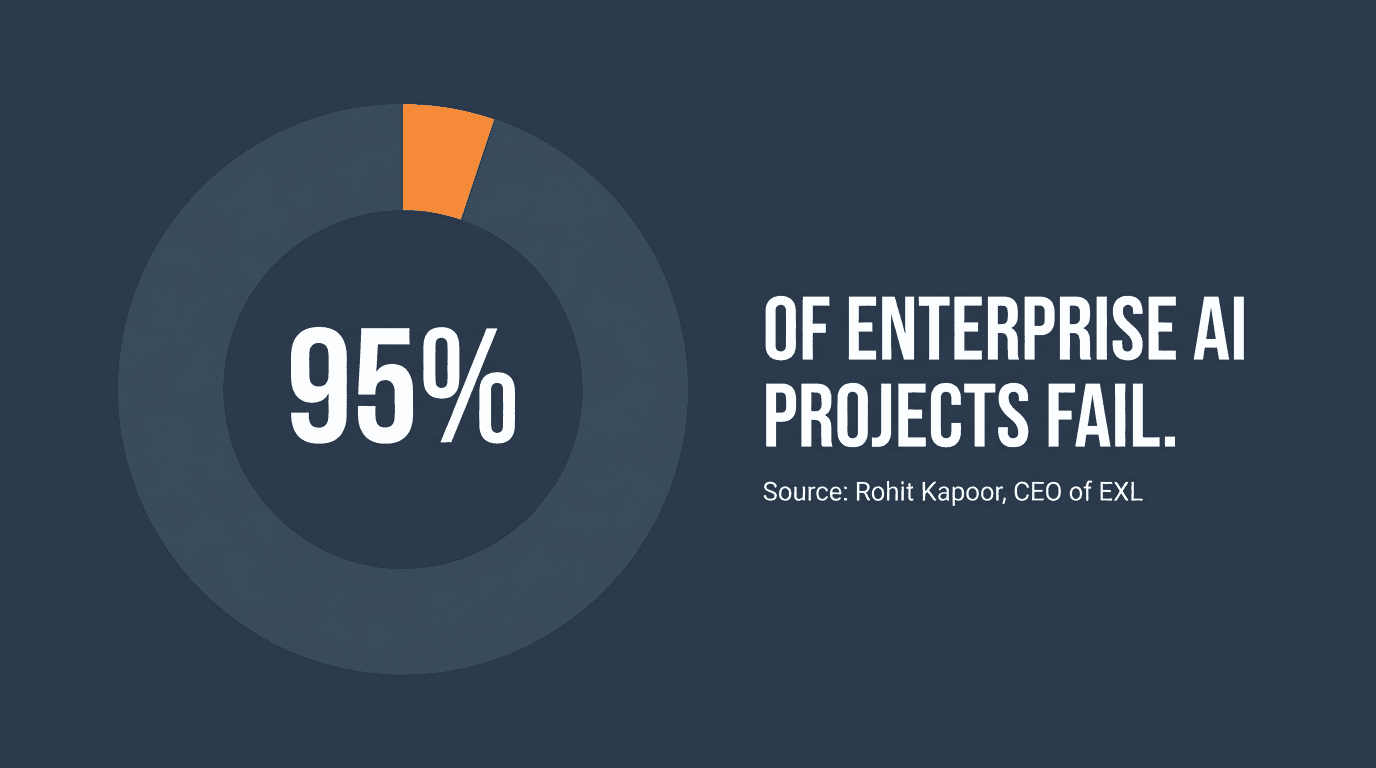
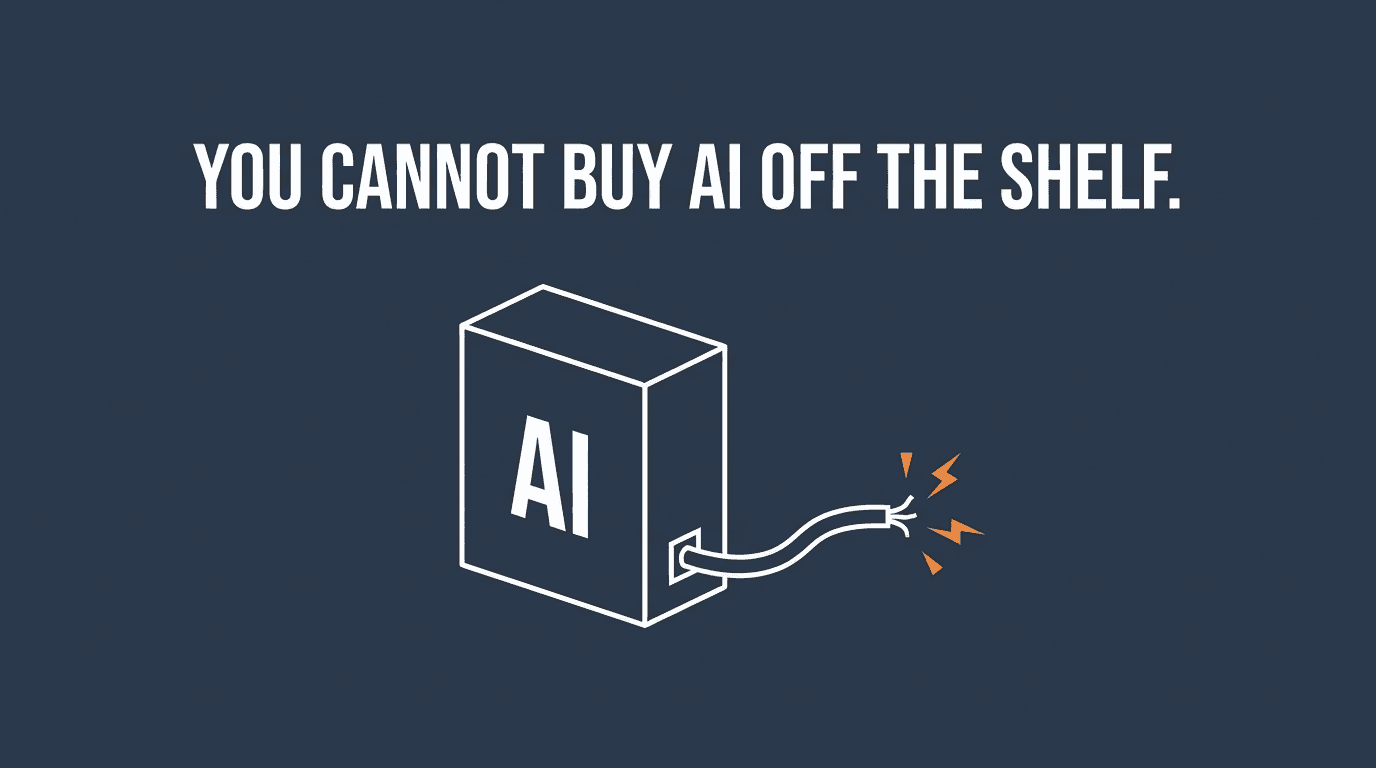
Read that again. Trillions invested in AI. Almost no payoff. Not because the technology isn't good enough. Because companies keep buying AI like it's software — plug it in, wait for results. That's not how this works. That was never how this works.
Kapoor's exact words: "This is not the kind of technology you buy off the shelf, plug in and wait for results." A CEO running a $7 billion company, saying out loud what we've been writing about for six straight posts.
He gives one example that says everything. An insurance company was drowning in claims — the cycle took weeks. Manual review, document routing, human bottlenecks at every step. They didn't buy a magic AI platform. They built coordinated AI agents, each one trained on a specific part of the workflow, all connected, all supervised by humans who knew the domain. The result: claims processing went from weeks to two days.
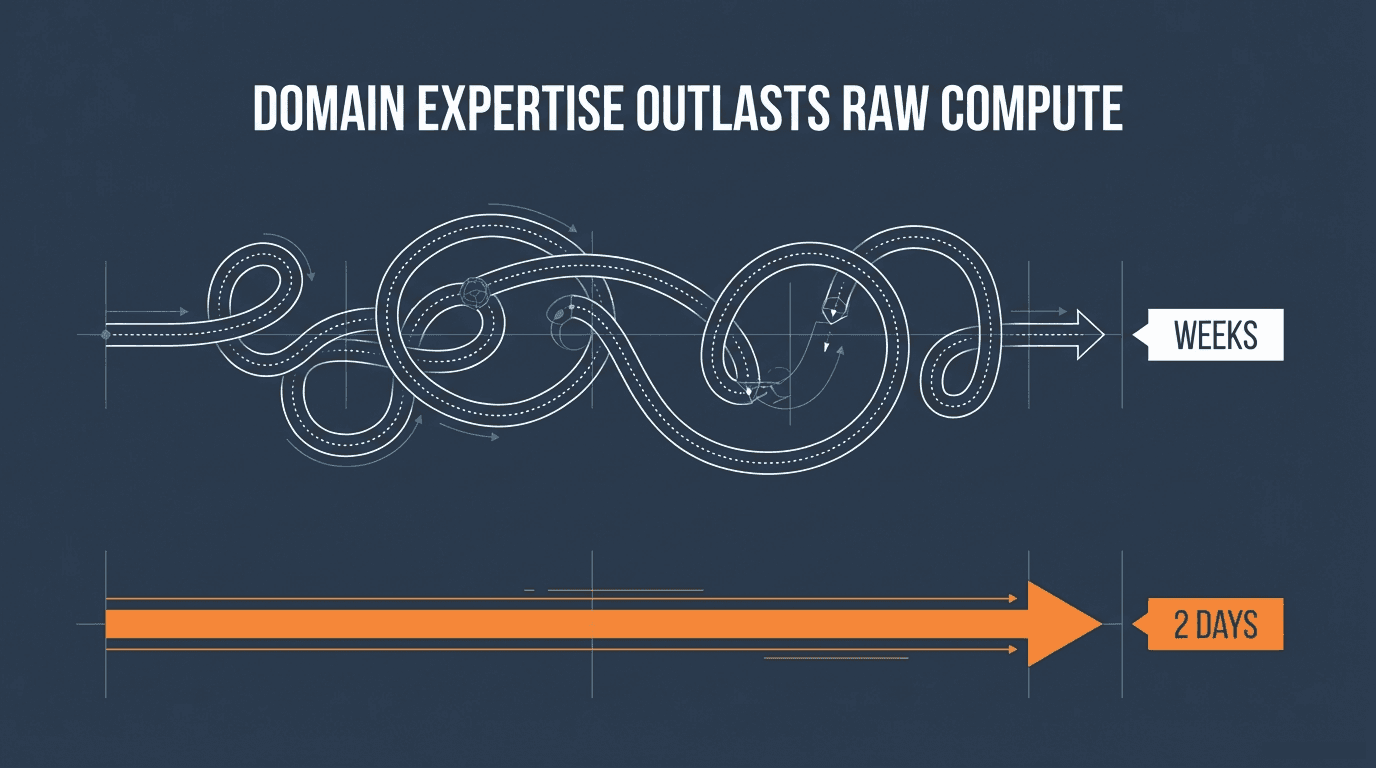
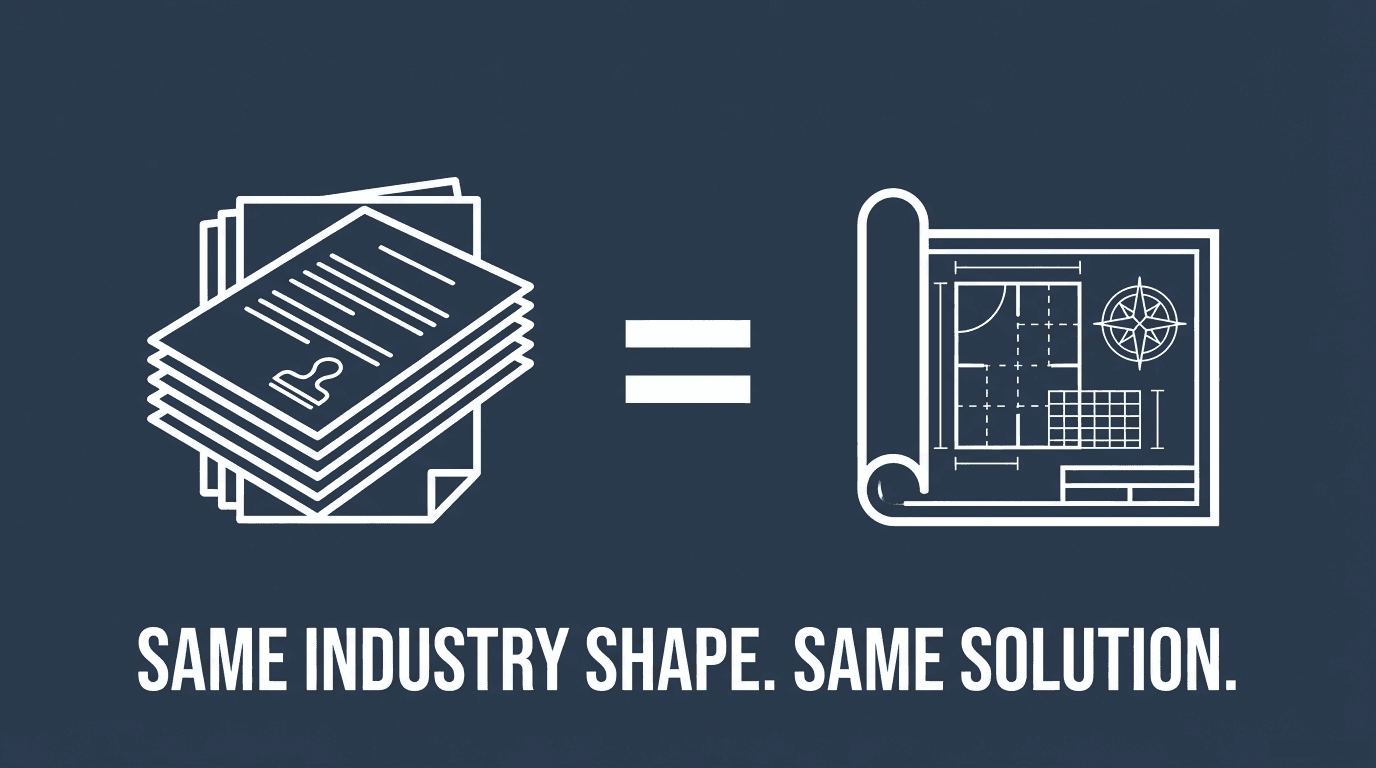
Now swap "claims" for "proposals." Swap "underwriting" for "estimating." Swap "policy documents" for "construction specs." Same industry shape. Same problem. Same solution. Insurance and construction are both document-heavy, relationship-driven, multi-step industries where domain expertise matters more than raw computing power. What worked for their claims pipeline is exactly what Atlas built for construction workflows.
But here's the part everyone skips: the insurance company's customer didn't care about coordinated AI agents. They cared that their claim went from weeks to two days. The partnership isn't about the technology. It's about what the customer on the other end experiences. Your customer doesn't know or care that an AI drafted the follow-up email, generated the timeline, or flagged the expired proposal. They just know you got back to them the same day. They know they can log into a portal and see their project status without making a phone call. They know you never asked them to repeat themselves.
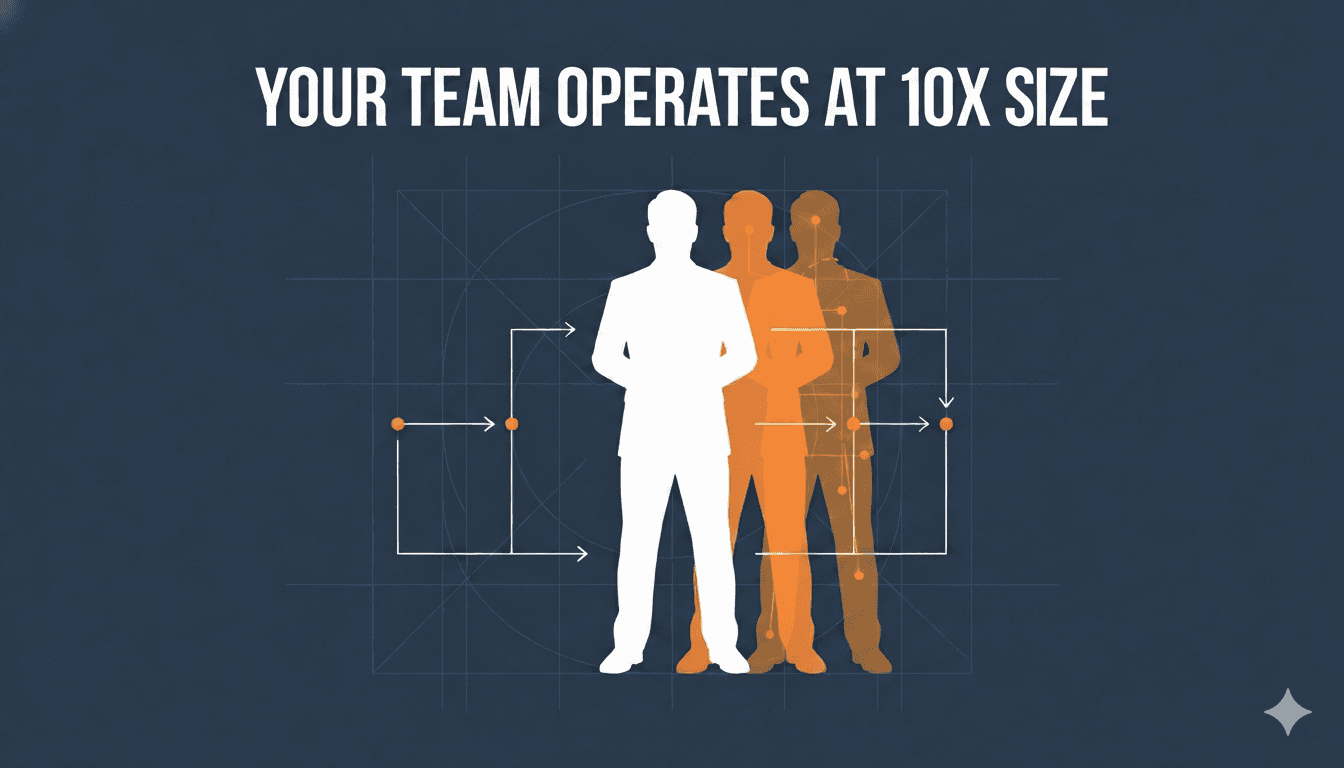
That's the bottom line — literally. Every person in your organization touches the customer. Every one of them is a salesperson whether they know it or not. When each of them has a personal AI program handling the grunt work, your team operates like it's ten times its size — and your customer feels it. Proposals go out the same day. Questions get answered before they're asked. Nothing falls through the cracks. The cost of building this is high. The cost of not building it — while your competitor does — is everything.
We've been saying this for six posts. SaaS is dying because bloated platforms can't adapt. Generic AI fails 95% of workers because it wasn't built for their job. Dozens of connected apps beat one big tool because each one is 100% efficient at its task. The outcome your customer experiences is the only differentiator that matters. Your people aren't the cost — they're the asset. The How is the real moat. Now a Fortune 500 CEO is publishing the same thesis in TechRadar.
Here's what the "aren't you worried?" crowd misses. Every time the model gets smarter, it doesn't replace what we've built. It makes everything we've built better. The workflows still run. The domain knowledge still matters. The connections between apps still compound. But now each node in the system is faster, smarter, more capable. The partnership gets stronger — not obsolete.
Think about it this way. We have over a dozen production applications. Each one encodes domain expertise — construction workflows, document structures, deal patterns, customer interactions. When the model gets an upgrade, every single one of those apps benefits immediately. Not because we rebuilt them. Because the AI partner inside them leveled up. Better models don't replace the system. They accelerate it.
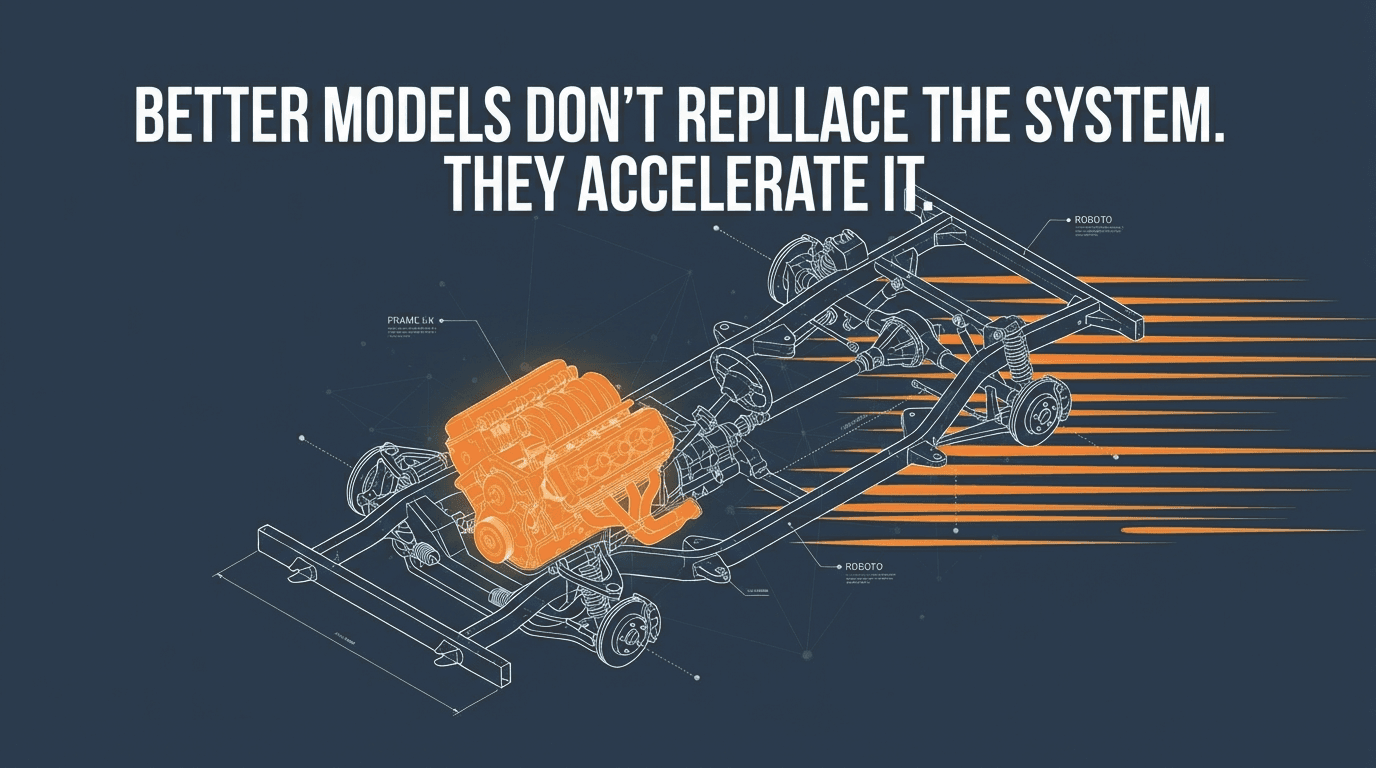
Kapoor nails the reason: you need "AI enablers who understand how to work with the data" combined with "detailed knowledge of industry-specific workflows." That's not something a model upgrade gives you. That's something you build over years of solving real problems in real companies. The moat isn't the model. The model is a commodity. The moat is knowing what to build.
The companies building with AI right now — encoding their workflows, training their people, connecting their systems — are pulling away from everyone else. The companies waiting for the "right" model, the perfect platform, the magic bullet? They're the 95%. And every month they wait, the gap gets wider.
This isn't a red ocean where every contractor fights over the same bids with the same tools and the same margins. This is blue ocean — crystal clear, wide open, almost nobody in it yet. The companies who figure out the partnership now aren't fighting for market share. They're creating a category where they're the only option. Better experience, lower overhead, a team that operates like it's ten times its size. That's not an incremental improvement. That's a revolution — and the water's warm.
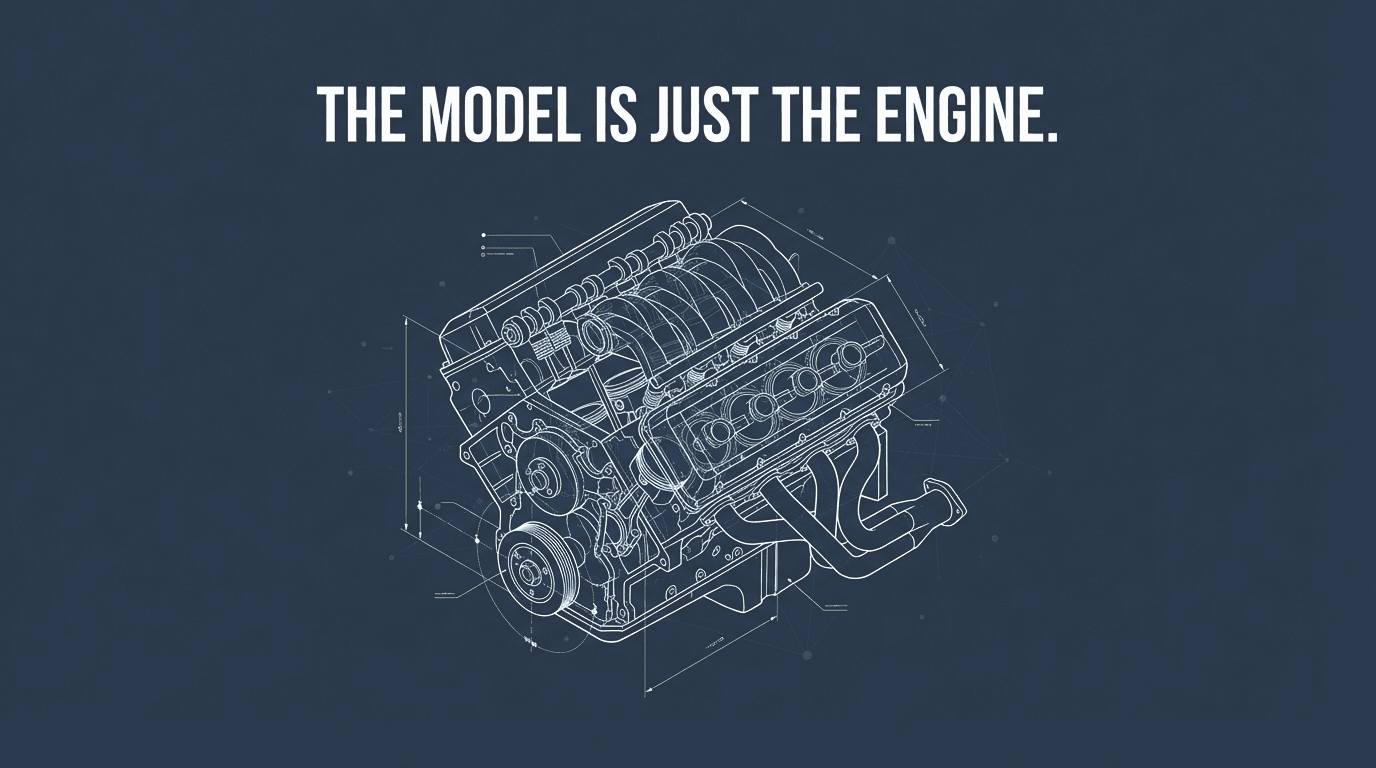
The model will always get smarter. That's a certainty. The question isn't whether AI will improve — it's whether you'll have anything built when it does. A better engine doesn't help if you never built the car.
Atlas doesn't compete with AI. Atlas partners with it. We build the car — the workflows, the connections, the domain expertise — and every model upgrade makes it faster. That's not a risk. That's the whole point. Come build with us.
"Why so many businesses are still on the wrong side of the AI divide" — Rohit Kapoor, CEO of EXL, TechRadar (2026) Read the full article →
Ready to see what custom AI can do for your company?
Your construction expertise. Our AI. Let's talk.
Request a demo